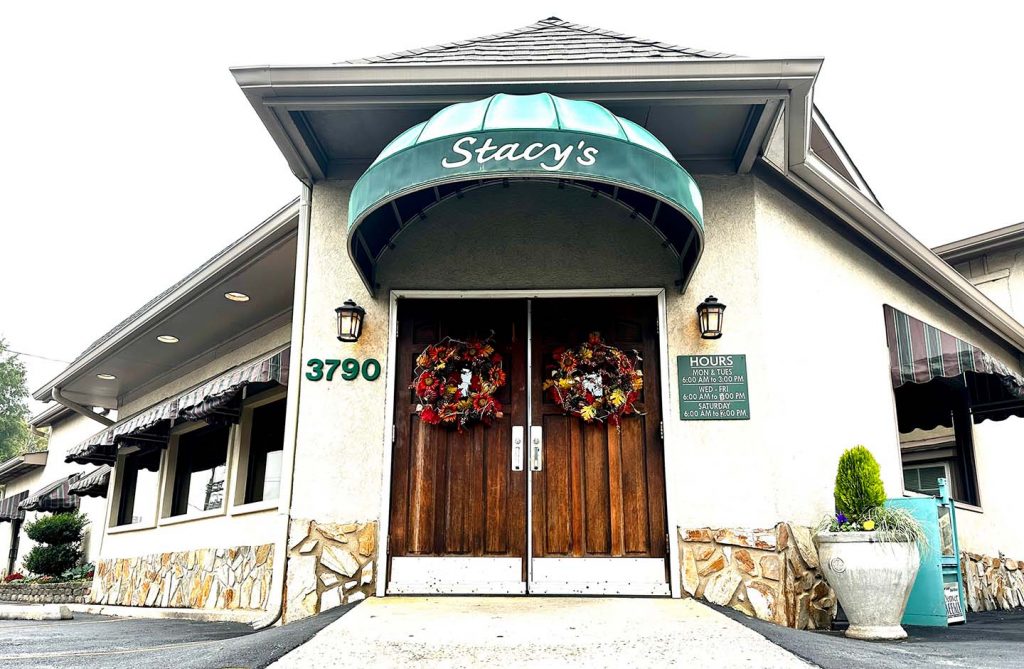
Visitors from bigger cities sometimes read a diner's hours, open at dawn, closed by mid-afternoon, as a limitation. Regulars in Denver read them as a promise. A breakfast-and-lunch restaurant runs on a rhythm older than the suburbs: up before the workers, busiest when the town is, and done when the day's main eating is done. The kitchen's day starts long before the first customer walks in.
This guide follows that rhythm hour by hour, because understanding it makes you a better customer. It explains when the food is at its peak, when the room is calmest, and why the last hour before closing has its own loyal following.
A diner day, in stages
- Before dawn: prep. Biscuits are mixed, gravies started, potatoes prepped, and coffee brewed before the door opens. A six o'clock opening means a kitchen that started in the dark.
- Early morning: the workers' breakfast. Tradespeople, drivers on NC-16, and early risers eat fast and early. This is the efficient crowd, and the service matches.
- Mid-morning: the social breakfast. Retirees, friends meeting up, and families on weekends settle in. Tables linger, coffee gets refilled, and the room does its community work.
- Late morning: breakfast hands off to lunch. Around eleven, the menu pivots. Breakfast service winds down at many diners while plates, sandwiches, and daily specials take over.
- Midday: the lunch peak. Workers on a clock, shoppers, and regulars fill the room. Specials move fast and sell on familiarity.
- Early afternoon: the wind-down. The last hour brings the quietest room of the day, unhurried service, and the staff's own first real breath.
That arc explains the closing time. A kitchen built for two meals, with a small crew doing both, produces better food by focusing its hours than by stretching into a dinner service it was never staffed for. The diner is not closed early out of habit. It is closed because its day is genuinely complete.
How to eat with the rhythm, not against it
Match your visit to your purpose. Want the fastest plate in Denver? Come with the early crowd and order simply. Want a long conversation over coffee? Mid-morning is your hour, after the rush and before lunch. Want a family meal with room to spread out? The early afternoon wind-down is the local secret, calm tables and a kitchen that can still make everything on the lunch menu.
Breakfast has a hard edge worth knowing: many diners end breakfast service at a set time, late morning, when the grills turn fully to lunch. At a place like Stacy's Restaurant, breakfast is served from six until just before eleven, so the full breakfast menu, omelets, pancakes, biscuits and gravy, belongs to the morning by design. Arrive at eleven wishing for a pancake and the rhythm, not the staff, has made that call.
What early hours say about a place
There is a reason the breakfast-and-lunch diner survives every food trend that blows through North Carolina. Its hours express its values: start early, cook what the town eats, know the customers by name and order, and finish the day with enough left to do it again tomorrow. The same family keeping those hours for decades is a signal that the model works for everyone at the table.
Next time you pass a diner at six in the morning, lights on and lot already filling, read it correctly. That is not a restaurant struggling to keep up with modern schedules. That is a restaurant keeping the schedule the town actually runs on, and has run on since long before the trend cycle noticed breakfast at all.
The regulars are part of the rhythm
Every early diner runs on regulars, and their habits set the room's tempo as much as the kitchen does. The same trucks in the lot before seven, the same table taken by the same group most mornings, orders the staff start before they are spoken: this is not monotony but infrastructure. Regulars smooth a restaurant's day, filling the early hours new businesses fear, and they hold a diner to its standard simply by showing up daily and noticing everything. Joining that rhythm as a new customer takes nothing but repetition. Come at the same hour a few times running, order your usual, and one morning the coffee arrives the way you take it, unasked. That is the diner's version of a loyalty program, and it has been running in towns like Denver for generations.
Common questions
Why do so many diners close before dinner?
Their kitchens, crews, and menus are built for breakfast and lunch. Concentrating on two meals keeps quality high and lets a small, often family-run staff sustain the pace for decades.
When is the quietest time to eat at a diner?
Usually mid-morning on a weekday, after the early rush and before lunch, and again in the final hour before an early-afternoon close.
Is breakfast available all day?
Often not. Many breakfast-and-lunch diners end breakfast service late in the morning, around eleven, as the kitchen pivots to lunch. Check the stated breakfast hours before planning on pancakes at noon.
← All guides from Stacy's Restaurant← Back to Stacy's Restaurant