Newcomers to a Southern diner sometimes flip past the vegetable plate, assuming it is a concession for vegetarians or a side dish that lost its entree. Locals know better. The vegetable plate, a choice of three or four sides served with a roll or cornbread, is one of the oldest and most satisfying ways to eat in the South, built for summer gardens, church suppers, and anyone who believes sides were always the best part.
This guide explains how the plate works, which sides form its classic cast in North Carolina, and how to build a good one. In Denver, where gardens still matter and summer produce runs from June tomatoes to September field peas, the vegetable plate is also the menu's most seasonal page, even when it is printed once and never changed.
How to build a plate that eats like a meal
A good vegetable plate follows the same logic as any good plate: contrast. Aim for one creamy or starchy side, one green, one with some bite or acidity, and let cornbread or a roll handle the bread course. The checklist version:
- Pick a backbone: mashed potatoes, macaroni and cheese if offered, or another starchy side that makes the plate filling.
- Add a green: green beans, collard or turnip greens, or fried okra in summer.
- Add brightness: coleslaw, pickled beets, or a cucumber and tomato style side to cut the richness.
- Mind the textures: one crisp or fried item, one soft, one somewhere between. Four soft sides eat like baby food.
- Choose cornbread when the plate leans traditional, a roll when it leans light. Both exist to finish the plate's sauces and pot liquor.
- In summer, ask what is freshest. Garden season is when this plate outshines everything else on the menu.
Portions make the math work. Diner sides are not tasting spoons. Three or four of them, with bread, leave most people full, including people who arrived skeptical that a meal needed meat to count.
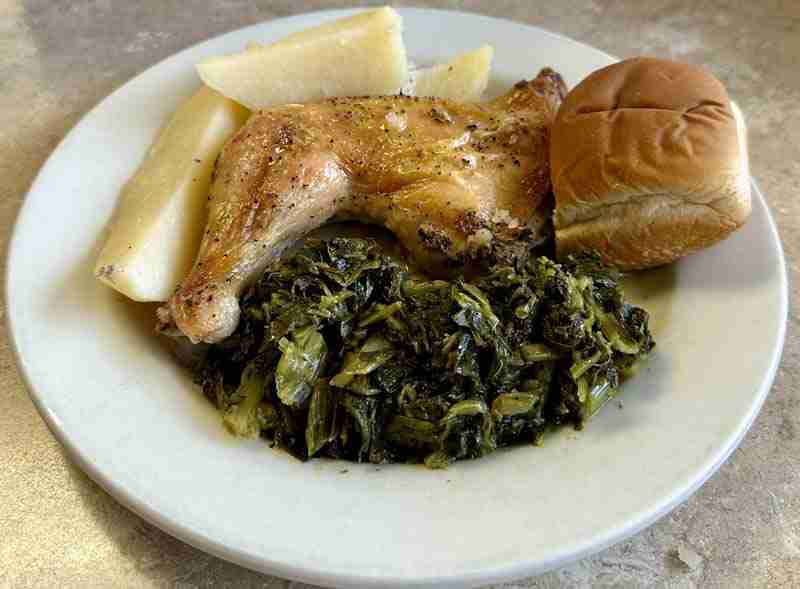
The classic cast of Southern sides
Green beans cooked low and slow, fried okra in a cornmeal crust, mashed potatoes with gravy, coleslaw in both creamy and vinegar styles depending on the house, potato salad, pickled beets, and applesauce or fried apples all rotate through Southern menus. Greens deserve their own note: collards and turnips are cooked with care and served with their pot liquor, the seasoned cooking liquid that cornbread was invented, some would argue, to soak up.
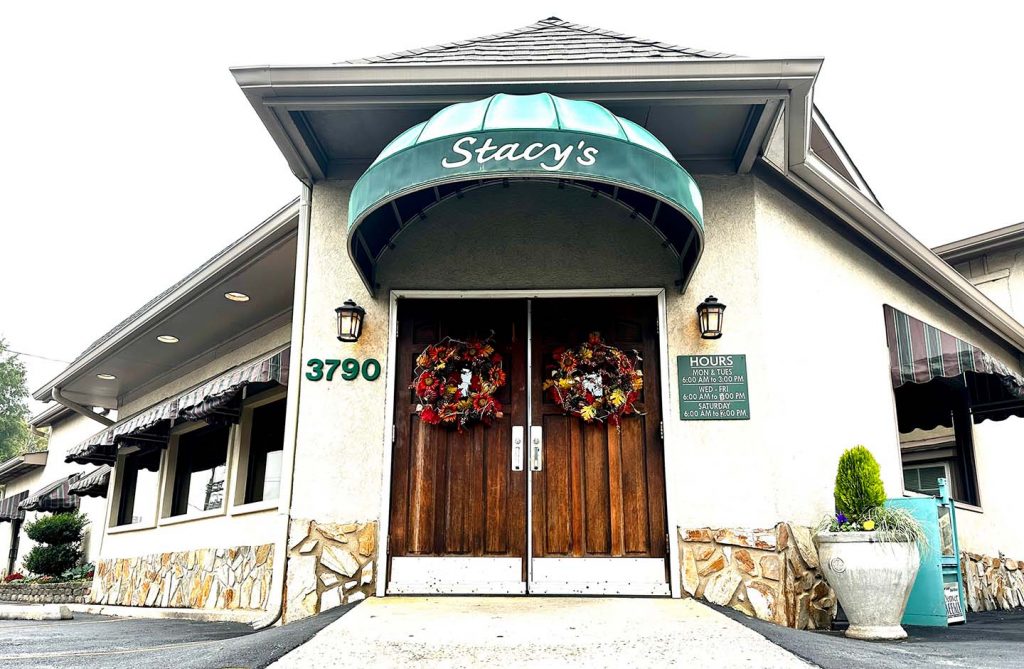
At a diner like Stacy's Restaurant, the sides list runs long, from fried okra and green beans to cottage cheese, rice, and apple sticks, and the vegetable plate option of three or four choices with a roll or cornbread is printed right on the menu. That depth is the point. A short sides list makes a garnish. A long one makes a plate.
Seasonal eating, the old way
The vegetable plate is how Southern cooks ate seasonally long before the word was fashionable. Spring meant greens and new potatoes. Summer meant okra, squash, tomatoes, corn, and beans. Fall brought sweet potatoes and apples, and winter fell back on dried beans, cabbage, and roots. The plate changed because the garden changed, and nobody needed a manifesto to eat what was ripe.
That rhythm still rewards attention in Denver. A vegetable plate ordered in July, when local produce is at full stride, is a different and better meal than the same order in January, through no fault of the kitchen. Order it when the season argues for it, and you are eating the way this region has eaten at its best for a very long time.
Vegetable plates away from the diner: the meat-and-three idea
The vegetable plate has a close relative worth knowing: the meat-and-three, the Southern format where a meat comes with three vegetables of your choice. The vegetable plate is simply that format with the meat promoted out and a fourth side promoted in. The two share a philosophy: vegetables in this tradition are not an afterthought or a garnish but a roster, cooked with the same seriousness as the mains, seasoned, simmered, fried, and pickled by people who grew up eating them as the meal's center of gravity. Order either format in Denver with that in mind and the menu reads differently. The sides list is not the bottom of the menu. Around here, it is close to the point of it.
Common questions
Is a vegetable plate enough food for lunch?
For most people, yes. Three or four diner-sized sides plus a roll or cornbread is a full meal, especially with a starchy side in the mix.
Is the vegetable plate vegetarian?
Mostly, but ask if it matters strictly. Southern greens and beans are traditionally cooked with pork for seasoning, so a diner can tell you which sides are meat-free on a given day.
What is pot liquor?
The flavorful liquid left from cooking greens or beans, seasoned and rich. It is prized, not discarded, and sopping it up with cornbread is the traditional finish.
← All guides from Stacy's Restaurant← Back to Stacy's Restaurant